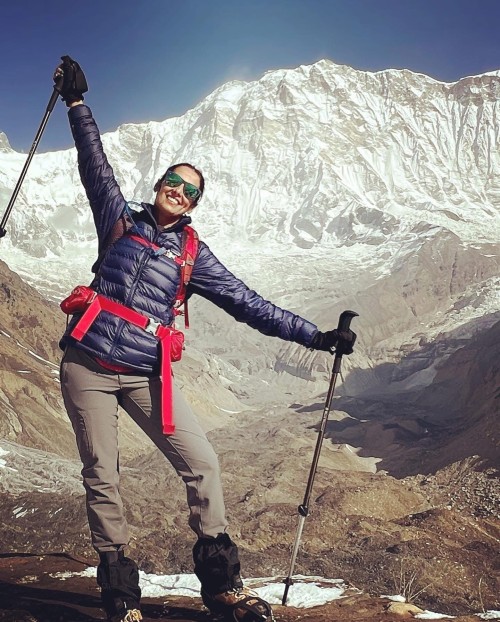


Climbing Lobuche Peak (6,119 meters/20,075 feet) is a thrilling adventure in Nepal’s Everest Region, offering spectacular Himalayan views and a challenging high-altitude mountaineering experience.
Lobuche East (6,119 meters) is a challenging trekking peak in Nepal's Everest Region, combining high-altitude trekking and basic mountaineering. The journey includes trekking through iconic Sherpa villages like Namche Bazaar and Dingboche, acclimatizing en route, and climbing steep, icy slopes to reach the summit. The climb requires the use of crampons, ropes, and ice axes, offering breathtaking views of Everest, Lhotse, Ama Dablam, and other Himalayan peaks. Suitable for climbers with good fitness and basic mountaineering experience, it’s an unforgettable adventure blending cultural exploration and physical challenge.
Lobuche East (6,119 meters) is a popular trekking peak in the Everest Region of Nepal, offering a blend of high-altitude trekking and moderate mountaineering. The climb is ideal for adventure seekers with basic climbing skills and provides breathtaking views of Everest, Lhotse, Ama Dablam, and other Himalayan giants.
Stunning vistas of the Himalayas from the summit.
Immersion in Sherpa culture during the trek through villages like Namche Bazaar and Tengboche.
A challenging yet accessible climb, perfect for those preparing for higher peaks.
Best Season: Spring (March–May) and Autumn (September–November).
Requirements: Good physical fitness, prior trekking experience, and basic mountaineering knowledge.
This climb combines the adventure of trekking to Everest Base Camp with the thrill of summiting a Himalayan peak, making it a truly rewarding experience.
Day 1: Arrived Kathmandu and transfer to hotel, 1350 m.
Day 2: Leisure/Preparation day at Kathmandu, 1350 m.
Day 3: Flight to Lukla (2,800m) and Trek to Phakding, 2610 m.
Day 4: Trek from Phakding to Namche Bazaar, 3440 m.
Day 5: Acclimatization Day at Namche Bazaar, 3440 m.
Day 6: Trek to Debuche (3750M) /Pangboche, 3900 m.
Day 7: Trek to Dingboche, 4410 m.
Day 8: Acclimatization Day in Dingboche, 4410 m.
Day 9: Trek to Lobuche, 4910 m.
Day 10: Trek to Gorakshep (5,164m) and visit Everest Base Camp, 5365 m.
Day 11: Hike to Kala Patthar (5,545m) and trek to Lobuche, 4910 m.
Day 12: Trek to Lobuche High Camp, 5400 m.
Day 13: Summit Lobuche Peak (6,119m) and descend to Lobuche/ Pheriche, 4270 m.
Day 14: Trek to Namche Bazaar, 3440 m.
Day 15: Trek back to Lukla, 2860 m.
Day 16: Fly back to Kathmandu, 1350 m.
Day 17: Back to Home
After arriving at TIA Airport Kathmandu, you must take an arrival visa from the immigration of Nepal for your stay in Nepal. However (15,30,90days), if you want to spend time in Nepal, you must pay ($30 for 15 days, 50 for 30 days). We also want to inform you that you may take up to 3 hours to complete all the procedures. It may vary according to the schedule of the plane and flight that you are coming from.
After that, we will stand at the arrival point with our banner and nameplate and take you to your hotel in the vehicle we have arranged. In this order, you will be welcomed with flowers and Khada (Special Buddhist prayer things). With all that, on the way to the hotel, you will find Nepali traffic jams, which can irritate you, but still, you will explore a little bit of the capital city of Nepal.
On the second day, you will start your Nepal tour with breakfast at the same hotel, where your journey will continue towards Boudhanath Stupa. After two hours of sightseeing, we will go to Bhaktapur Darbar Square, the oldest palace in Nepal, to see the archaeological heritage.
After that, after lunch, we will start our journey again to visit Pashupatinath Temple, the centre of the most significant faith of Hindus. The scenic view of Aarti in the evening and the view of the lighting will make your trip worthwhile. After a 1/2 hour visit to Pashupatinath, we will return to the hotel.
Or as your wish!
An early morning start takes us to the Tribhuvan International Airport in Kathmandu for the 35-minute scenic flight to Tenzing and Hillary Airport at Lukla (2,804 m). On arrival at the airport, the guide will brief you and introduce our porters before we begin our trek towards Phakding (2,610 m). After landing we have time to explore the village while our Sherpa crew sort and load our trekking equipment.
After cinokettubg akk tgus process in Lukla, we wll stop for 5 min at the gate of Passang Lhamu to take photos. It is necessary to get a entrance ticket from the Passang Lhamu Rural Municapility and Sagarmatha National Park entry permit. It will take 10 to 30/45 min.
The journey from Kathmandu to Manthali (Ramechhap) Airport is the first leg for trekkers heading to Lukla, the gateway to the Everest region. Due to congestion at Kathmandu's Tribhuvan International Airport, many flights to Lukla have been rerouted to operate from Manthali Airport, which is about a 4-5 hour drive (132 km) east of Kathmandu.
Or take a Chopper direct to Lukla and Trek towards*
The trek begins by crossing several more suspension bridges and passing villages like Monjo before entering Sagarmatha National Park. After crossing the Dudh Koshi River,you’ll face a steep ascent to Namche Bazaar, the heart of the Khumbu region.
First views of Everest, crossing the Hillary Suspension Bridge, arrival inNamche Bazaar (a bustling Sherpa town with markets, bakeries, and stunning scenery).
An acclimatization day at Namche Bazaar (3,440 meters) is an essential part of trekking in the Everest Region to help your body adjust to the increasing altitude and prevent Acute Mountain Sickness (AMS). Namche, often called the gateway to Everest, is a vibrant Sherpa town nestled in a natural amphitheater surrounded by towering hills.
The day typically begins with a short hike to a higher altitude to "climb high, sleep low," a proven method to aid acclimatization. One popular destination is the Everest View Hotel (3,880 meters), which offers stunning views of Mount Everest, Lhotse, and Ama Dablam on clear days. Along the way, you can visit the Syangboche Airstrip and explore traditional Sherpa settlements like Khumjung and Kunde, home to the Hillary School and a historic monastery.
In Namche itself, trekkers can spend time exploring the Sherpa Museum or shopping at local markets for souvenirs, trekking gear, and artisan crafts. The bustling cafes and bakeries in Namche are perfect for relaxing and enjoying a hot beverage while soaking in the breathtaking Himalayan vistas.
This rest day not only helps physically but also provides an opportunity to immerse yourself in the rich culture, history, and hospitality of the Khumbu region, making it a memorable highlight of the trek.
The trek from Namche Bazaar (3,440 meters) to Pangboche (3,900meters) is a scenic journey through the heart of the Khumbu region, offering breathtaking views and cultural immersion. The day begins with a gradual ascent out of Namche, with the trail hugging the mountainside and providing stunning vistas of Everest, Lhotse, and Ama Dablam.
As you trek, you'll pass through pine and rhododendron forests, often encountering colorful prayer flags and chortens that mark the spiritual significance of the route. After a couple of hours, you’ll reach Tengboche (3,867 meters), home to the iconic Tengboche Monastery, the largest in the region. This monastery, set against the backdrop of Ama Dablam, offers a serene stop for exploration and photography.
From Tengboche, the trail descends through forested areas to the Dudh Koshi River before climbing again to reach Pangboche, a traditional Sherpa village. Pangboche is renowned for its ancient monastery, believed to be one of the oldest in the Khumbu region. The village also offers incredible views of Ama Dablam towering above.
The trek typically takes 5–6 hours and provides a mix of natural beauty, cultural exploration, and acclimatization, making it a memorable segment of the journey towards Everest Base Camp.
As the landscape becomes more rugged and sparse, you’ll ascend to higher altitudes.And you will enjoy a close-up view of Ama Dablam. The trail winds through fields and pastures before arriving in Dingboche, a beautiful village surrounded by snow-capped peaks.
(~3-4 hours walking)
Acclimatize further by hiking to Nangkartshang Peak (5,083m). The hike offers incredible views of Makalu, Island Peak, and Ama Dablam. Spend the afternoon relaxing or exploring the village. Acclimatization is critical at this altitude to avoid altitude sickness.
The trail becomes more challenging as you ascend along the Khumbu Glacier moraine. You’ll pass the Thukla Pass, marked by memorials for climbers who lost their lives in the region. After the pass, the path levels out as you approach Lobuche, a small settlement with limited lodges. Views of Nuptse and Pumori dominate the skyline.
(~5-6 hours walking)
Begin the trek early, navigating rocky terrain and the glacial moraine to reach Gorakshep. Drop your gear and continue toward Everest Base Camp. The trail is challenging but rewarding, with views of the Khumbu Icefall and surrounding peaks. Spend time at the base camp before returning to Gorakshep for the night.
(~8-9 hours round trip)
Wake before dawn to hike to Kala Patthar, a renowned viewpoint. From here, enjoy unparalleled views of Everest, Nuptse, and other peaks. Descend to Gorakshep for breakfast and trek to Lobuche.
Have a early breakfast and trek to Lobuche High Camp(5400M). The path diverges toward Lobuche East, where you'll set up camp for the climb. And our climbing Guides will teach you how to use crampons, ice axes, and ropes. Practice climbing techniques on nearby ice walls to ensure safety during the summit attempt. Rest and hydrate to maximize your chances of success.
At High Camp, rest and prepare for the summit push. Guides will review the summit plan and final safety checks.
Sleep at Tent. Our staff will provide you the fresh and hygenic food.
Start the climb around midnight, using headlamps to navigate. The ascent involves both rock scrambling and glacier travel. The final section includes fixed ropes to the summit. From the top, enjoy panoramic views of Everest, Lhotse, Nuptse, Ama Dablam, and the surrounding peaks. After celebrating your achievement, descend to High Camp and continue to Lobuche/Pheriche/Pangboche for the night
Retrace your steps through the Khumbu Valley, enjoying easier descents and revisiting villages like Tengboche and Phunki Tenga. The familiar sight of Namche Bazaar is a welcome return to relative comfort.
(~6-7 hours walking)
The final day of trekking takes you back to Lukla. Reflect on your incredible journey as you pass through villages and forests. Celebrate with your team upon reaching Lukla.
(~6-7 hours walking)
Early morning flight back to Kathmandu. After arriving in Kathmandu, you can spend the day relaxing or exploring more of the city.
OR
Fly to Ramechhap (Manthali Airport) which is only 20-25 min fly from Lukla. Then we need to drive to Kathmandu which is approx. 132 KM (4-5 hrs*) long.
Fly back home as your schedule.
.png)
Ask about the guide-to-climber ratio for safety. A good ratio is one climbing guide per two climbers, especially during technical sections.


The Lobuche Peak climb is considered challenging. It requires good physical fitness, previous trekking experience, and basic knowledge of mountaineering skills. The climb includes steep rock and ice sections and requires the use of climbing equipment like crampons, ice axes, and ropes.
While prior climbing experience is not mandatory, basic mountaineering training and familiarity with climbing equipment are highly recommended. The acclimatization and training days during the trek will prepare beginners, but prior high-altitude trekking experience is an advantage.
We also arrange climbing gear for rental.
The complete itinerary typically lasts 16-18 days, depending on acclimatization and weather conditions. This includes trekking to Everest Base Camp, acclimatization, and the climb itself.
Your guides are trained to recognize and manage altitude-related issues.
Yes, many climbers combine Lobuche Peak with nearby peaks like Island Peak (Imja Tse) or use it as preparation for higher climbs like Ama Dablam or Mera Peak.
Your guide will adjust the schedule if possible to wait for better weather. However, if the conditions remain unsafe, the summit attempt may be canceled for safety reasons.
Yes, comprehensive travel insurance is mandatory. It should cover:
During the climb, meals are prepared by the support staff at Base and High Camps.
Yes, the climb is considered safe when guided by experienced mountaineers and with proper acclimatization and preparation. Guides ensure your safety by managing fixed ropes and assisting during challenging sections.
15 Days From $ 1000
14 Days From $ 750

14 Days From $ 2400

5 Days From $ 4200

17 Days

13 Days From $ 1000

20 Days From $ 1750
.jpg)
14 Days From $ 5500

3 Days From $ 250

20 Days

18 Days From $ 2250
© 2023 - 2026 All rights reserved. Jolly Himalaya Developed By : Xenatech Nepal
 17 Days
 Kathmandu
 Meals
Meals Breakfast